
Independent since day one: we never buy or sell jewelry.

631-539-0588By appointment onlyBabylon, NY

Diamond Education

Diamond basics, without the jargon.

A short history, a little geology, and the Four C’s every buyer should understand before spending a dime.

A brief diamond history

Kings sacrificed kingdoms for them.

Diamonds are a part of history and legend. Kings have sacrificed kingdoms for diamonds, and women have sacrificed their freedom. Greek tradition held that the fire in a diamond reflected the constant flame of eternal love.

For centuries they belonged only to royalty — until the great South African discoveries of 1870 opened diamonds to the world.

0South African discoveries democratize the diamond
0tof ore mined, crushed & sorted for one rough diamond
0facets on most finished diamonds

A diamond is born

Carbon, pressure, and a few million years.

Diamonds form from carbon deep in the Earth’s crust under extreme heat and pressure over millions of years, then ride volcanic eruptions to the surface. It is estimated that 250 tons of ore must be mined, crushed, sorted and re-sorted to find one rough diamond suitable for cutting into a one-carat gemstone.

The Four C’s

Cut. Color. Clarity. Carat.

Cut

Cut refers to shape and proportions. Most diamonds carry 58 facets. When a diamond is properly proportioned and cut, it gives maximum brilliance — refracting light inside the stone and bouncing it back up to the eye. Poorly cut stones lose value.

  • Round
  • Marquise
  • Pear
  • Emerald
  • Oval
  • Heart
  • Princess
  • Radiant

Color

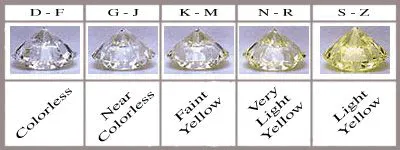
Graded on an alphabetical D–Z scale measuring body color against pure white under white light.

  • D–FColorless — the most desirable grades.
  • G–JNear colorless.
  • K–MFaint yellow.
  • N–ZNoticeable yellowish tint.
Diamond color grading chart from D (colorless) through Z (yellow tint)

Clarity

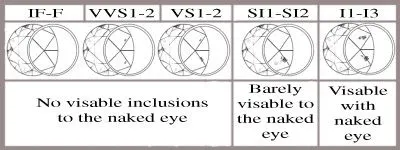
Every grade is measured under 10× magnification.

  • FL / IFFlawless & Internally Flawless — no inclusions under 10×.
  • VVS1 · VVS2Very, very slight inclusions, extremely hard to find.
  • VS1 · VS2Very slight inclusions, minor under magnification.
  • SI1 · SI2Slight inclusions, noticeable under 10× magnification.
  • I-1 · I-2 · I-3Included — visible to a trained unaided eye.
Diamond clarity grading chart from Flawless through Included

Carat Weight

Carat is a measure of weight, not size. One carat equals one-fifth of a gram — a unit descended from the remarkably consistent carob seed. Each carat is divided into 100 points, and every point matters on the report.

1 ct= 1/5 gram
100points per carat

By appointment · Babylon, NY

Now see the Four C’s applied to your stone.

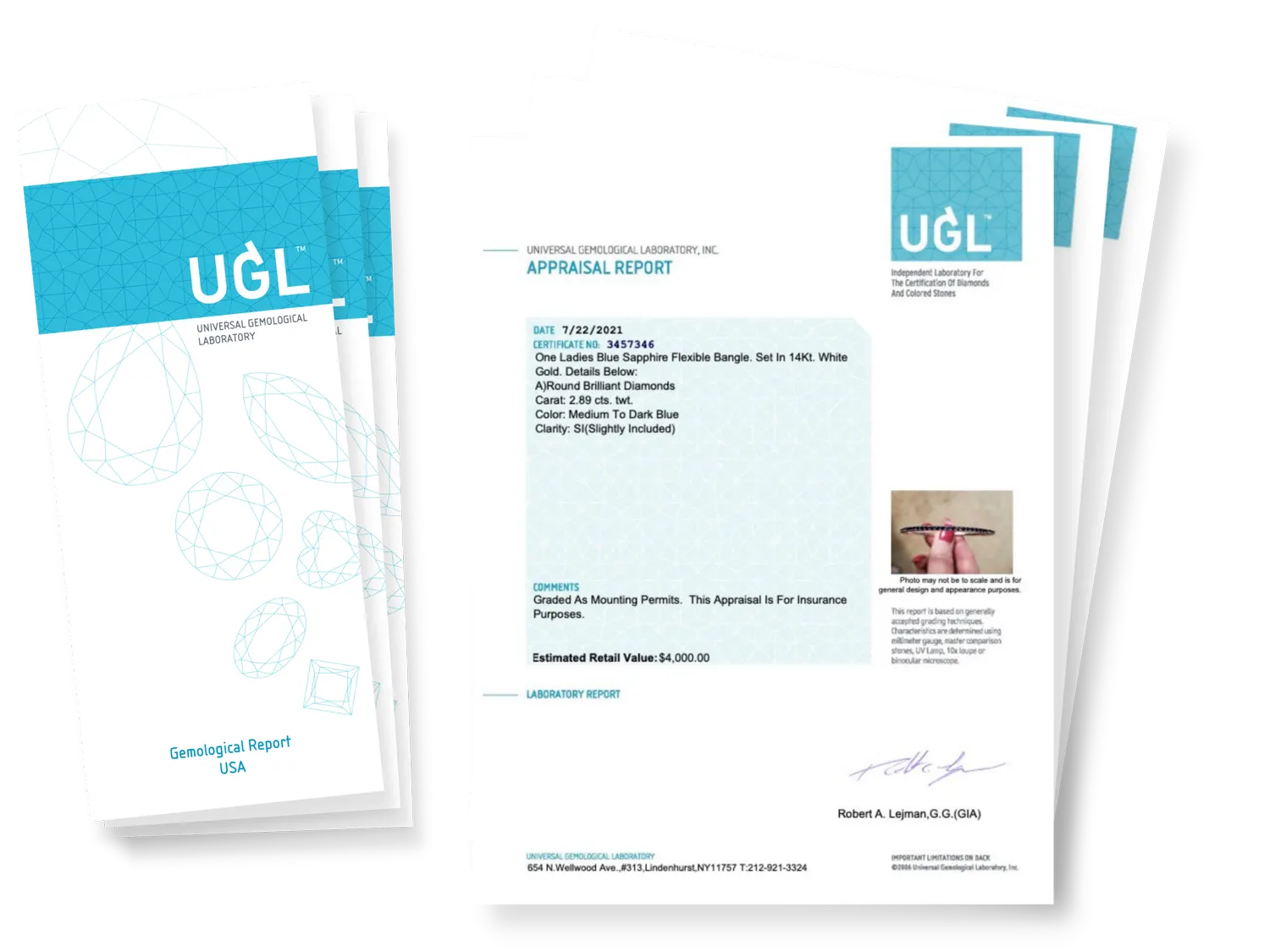
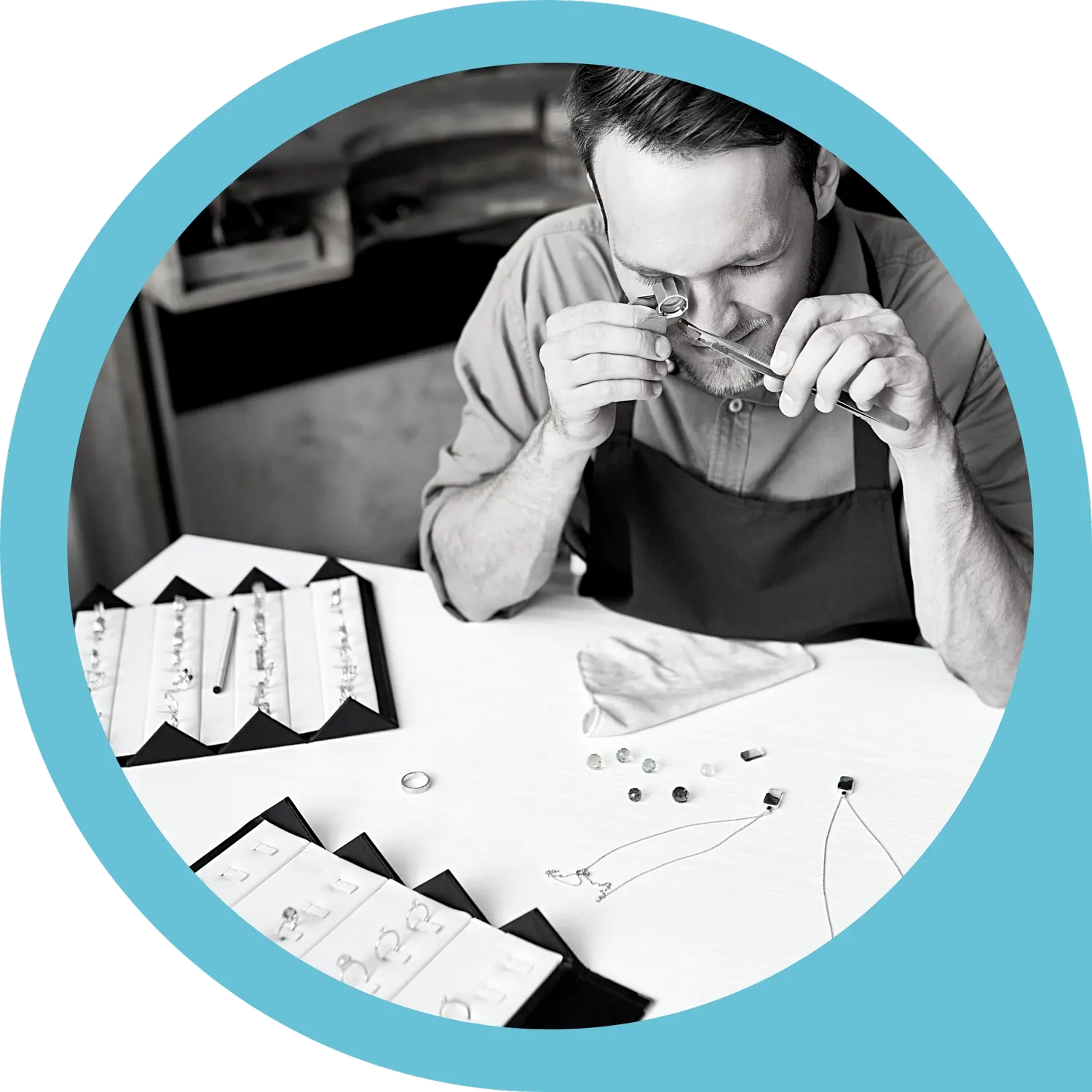
Watch a GIA graduate gemologist grade your diamond in front of you — and leave with a report insurers accept.